
I was a busy mom. I had a stressful job in tech. My husband did too. We had two kids we were trying to raise in a culture of pressure and affluence. Spoiler: It’s not as fun as it sounds.
My days were filled with hustle at work, transporting people from here to there, cheering at youth sporting events, squeezing in time for a workout as I fruitlessly tried to match the thinner moms, and making another (sadly) non-organic dinner that at least one kid would refuse to eat.
Side note: I worked from home. My husband commuted to the office. It made logistical sense for me to cook during the week. It wasn’t an age-old gender role expectation.
I tried to volunteer at the schools. Everyone was doing it. I intended to clean toilets and sinks bi-weekly. I think I brushed my hair. I’m sure I brushed my teeth … probably. Makeup? Um, what was that again?
And to top it all off, I had undiagnosed, untreated generalized anxiety disorder. I thought being anxious to the point of panic was normal for a busy mom. It’s not.
On the weekends, Dr. B would sometimes get that look. You know the one. He’d grab my backside in a teasing way and say something sweet and sexy before heading out to the grocery store or to our son’s soccer game or to do yard work.
I knew what he was really saying. Tonight. You and me. Grown up time under the covers. He wanted me. And I wanted him. Those times were special. Just us. His hands on my body. (My husband has some seriously seductive hands.) But there was no way.
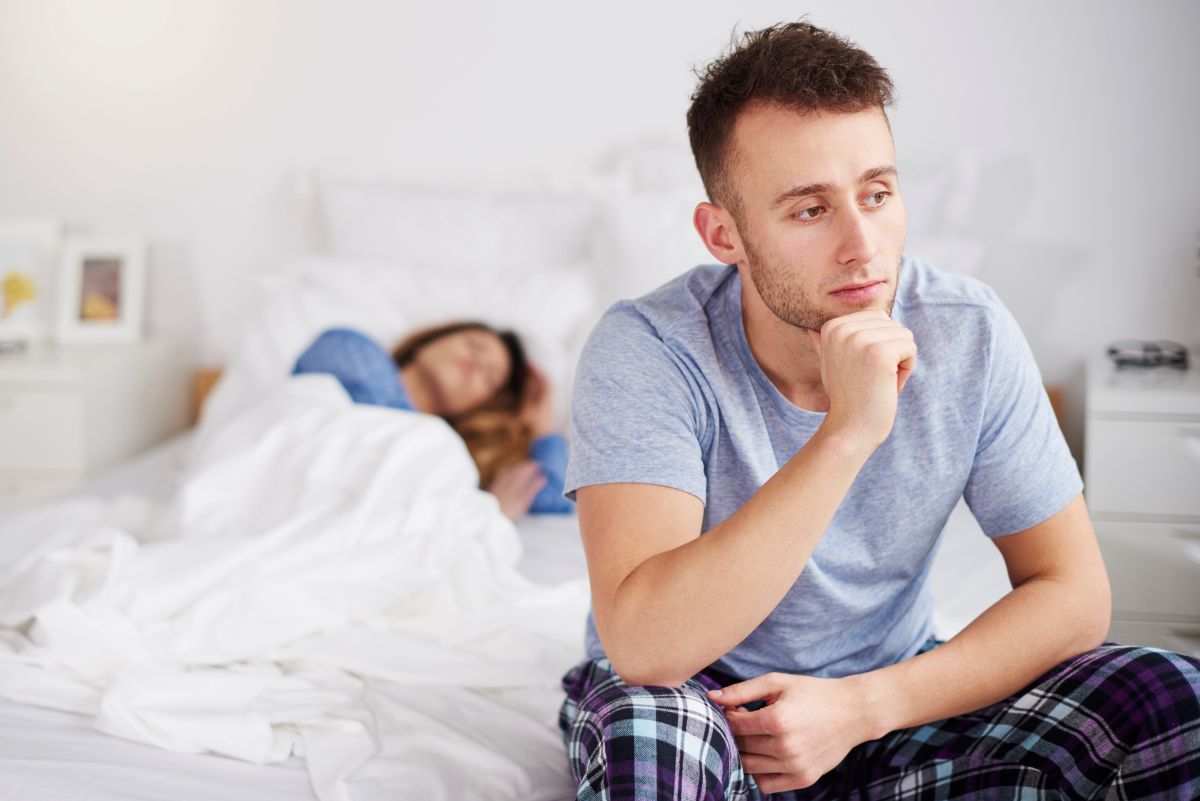
Most nights I fell into bed exhausted, definitely not feeling sexy, and mostly feeling like if one other person needed something from me, I was going to scream. Mornings could work, but I usually woke up still tired, and kids can be particularly cock-blocky in the morning.
Is this just how it’s going to be now?
Science has always been a big part of my husband’s education and his career. When faced with a challenge, what does a scientist do? Research. And thank God he did.
If you have a vulva or you would like to have sex with someone who has a vulva, and you have not read Dr. Emily Nagoski’s book “Come As You Are: The Surprising New Science That Will Transform Your Sex Life”, consider running down to your local bookstore and picking up a copy. Go ahead. I’ll wait.
My husband encouraged me to read it after he did, and I’m not mad about it. The part that most resonated was Dr. Nagoski’s discussion of the Dual Control Model of Sexual Response.
It was first developed by Dr. John Bancroft and Dr. Erick Janssen at the Kinsey Institute in the late 1990s. (Yes, that’s 1990s, not 1890s. What took so long?) Anyway …
The model consists of two parts. The Sexual Excitation System or the accelerator in your brain that takes in stimuli like what you see, hear, smell, taste, and feel, then says “Turn on”. And the Sexual Inhibition System or the brakes in your brain that take in stimuli and signal your brain to “Turn off”.
As Dr. Nagoski describes in the book, you can push the accelerator on a car along with the brakes, and the car will probably get you where you want to go, but it will be difficult and use a lot more gas. She says “Indeed, a common mistake made by people who are struggling with orgasm or desire is assuming that the problem is lack of accelerator; it’s more likely that the problem is too much brakes. And once you know whether it’s a problem with the accelerator or the brakes, you can figure out how to create change.”
I was definitely struggling with too much brakes.
Work stress, anxiety, childcare, housework … all the responsibilities of daily life were stomping on my brakes. No matter how well my husband’s seductive hands pushed my accelerator, we weren’t getting very far.
An article we read said that most women need an average of two hours away from caring for children to reconnect with their sex drive. Here’s why. Caring for others affects hormone levels in our brains. More specifically, it raises our estrogen and progesterone levels (nurturing) and lowers our testosterone levels (sex drive).
Some women need considerable separation between these two worlds to transition to… what was it Usher said? “A lady in the street, but a freak in the bed.”
On the other side.
Whether or not I’m now a freak in the bed is classified, but as we prioritized time to be together away from kids and work and responsibilities, whether it was date nights or full weekends, my husband and I started to reconnect.
We both like to mountain bike, and we biked often before we had kids. So, we tried to plan trips that included biking, which took us to some beautiful areas with lovely lodges and lots of peace and quiet.
Partners can’t always stop the swirl of distractions (brakes). After all, they are likely tired too. But simply asking about them or acknowledging them could help. Don’t assume it’s a lack of interest in being physical. If you had a healthy sex life before, chances are you can again. You just have to figure out how to create change together.
I still work, full time as a writer instead of in tech, and I’m hustlin’ more than ever. My husband still works at the office. But my anxiety is better managed with exercise and medication, hormone replacement therapy has been a Godsend for my post-menopausal body, and our kids are adults with busy lives of their own.
My husband’s hands are still seductive, and more so, I know he’s willing to figure things out with me, good or bad. Cue the Barry White. Now when my husband gives me that look, or shocker … I give it to him, we are both thinking the same thing.
Home alone, we cook dinner together and open a bottle of wine. We talk about whatever comes to mind, or nothing at all. Maybe we watch something on TV. Maybe we don’t. Wink.
My brakes are not nearly as engaged as they once were, and it’s made all the difference.